5 Key Takeaways from MODEX 2026: Capacity, Controls, E-Commerce Evolution, Brownstone Optimization, and Micro-Fulfillment
Each year, MODEX brings together supply chain leaders, integrators, and technology providers shaping the future of material handling and automation.
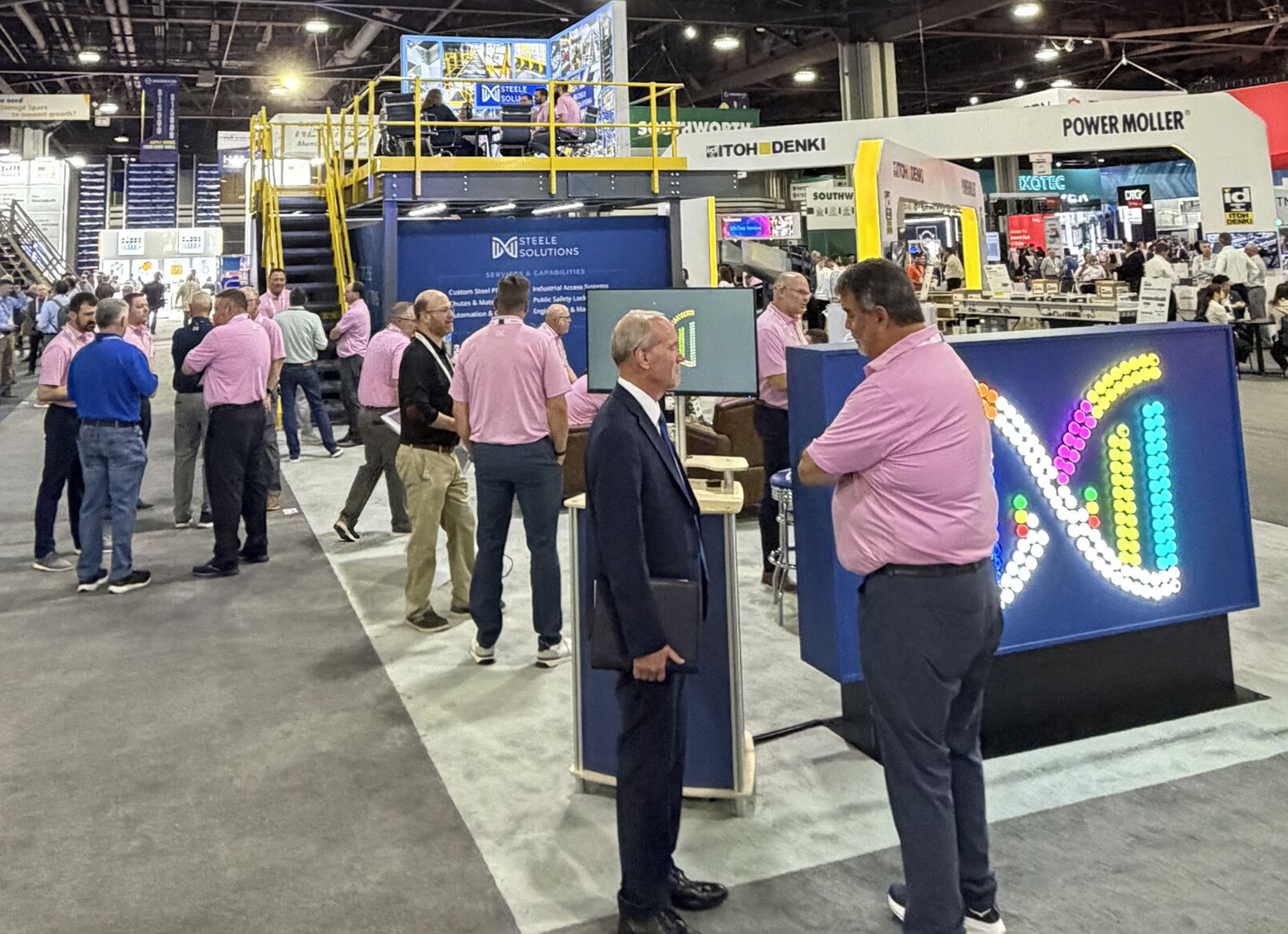
MODEX 2026 gave us the opportunity to connect directly with industry professionals to better understand their current challenges, priorities, and areas of opportunity.
Several key themes emerged from our conversations, which we believe will directly impact material handling now and into the future. Keep reading to get our take on the future of the industry.
1. Material Handling Capacity Constraints Are Driving Strategic Partnerships
The material handling industry continues to experience rapid growth, but it is expanding alongside other high-demand sectors, particularly data center infrastructure. This parallel growth is placing increased pressure on available resources, including engineering talent, integrators, and production capacity.
At MODEX, several recurring concerns emerged:
- Availability of long-term, reliable partners
- Limited controls, automation, and engineering bandwidth
- Uncertainty around supplier focus and market priorities
Many conversations pointed to a broader concern: some legacy providers are reallocating resources to emerging sectors, creating additional strain in traditional material handling markets.
As a result, the key question from end users is evolving. It is no longer just about who can execute a project today, but: Which partners can consistently support future growth and evolving operational demands?
The takeaway is clear: partnerships must move beyond transactional engagements and become more strategic. In environments with constrained capacity, early alignment, strong communication, and dependable execution are critical to project success.
And much of this demand is being fueled by one major driver: the continued evolution of e-commerce.
2. E-Commerce Isn’t Slowing Down and It’s Evolving
In years past, e-commerce demand has been driven by less frequent, higher-value purchases. Today, the trend has shifted toward recurring, everyday transactions, including everyday essentials and grocery items.
This e-commerce evolution is creating a ripple effect across fulfillment operations:
- Increased order frequency
- Smaller, more frequent shipments
- Higher parcel volumes
- Greater demand for parcel speed and efficiency
As a result, fulfillment networks are under increased pressure, driving continued investment in automation, distribution infrastructure, and material handling systems.
As e-commerce becomes more embedded in daily consumer behavior, systems must be designed to support continuous, high-frequency demand rather than occasional volume spikes. This shift requires scalable, adaptable solutions that align both structural design and automation strategy to evolving fulfillment needs.
And as networks adapt to meet this demand, many organizations are rethinking where and how fulfillment happens, leading to the rise of micro-fulfillment.
3. Micro-Fulfillment Is Becoming a Scalable Model
Micro-fulfillment has been discussed as a ‘big idea’ for several years, but conversations at MODEX 2026 made it clear micro-fulfillment is moving from concept to scalable reality.
At its core, micro-fulfillment focuses on decentralizing distribution by bringing fulfillment closer to the end consumer. This model supports faster delivery times and more efficient last-mile logistics.
Key characteristics include:
- Smaller, automated systems integrated within retail locations
- Localized inventory and order fulfillment
- Greater flexibility for pickup and delivery models
In 2026, major retailers are actively investing in this model, with plans for widespread deployment.
Historically, scalability has been the primary barrier. However, advancements in automation and system design are beginning to address these challenges, making micro-fulfillment a viable solution for a broader range of applications.
As adoption increases, this model is expected to influence facility design, automation strategies, and system integration requirements across the industry. It will transform how products move through the supply chain and ultimately reach the consumer.
This shift toward distributed fulfillment is also driving a renewed focus on optimizing existing facilities, leading directly into the next major trend: brownfield optimization.
4. Brownfield Optimization Is Overtaking Greenfield Expansion
For many years, industry growth was defined by greenfield development, building new facilities designed for modern automation.
But at MODEX 2026, the trend toward brownfield optimization was clear. Organizations are increasingly focused on improving existing facilities rather than constructing new ones.
This shift is largely driven by location constraints and the desire to optimize existing operations to meet changing consumer demands. In densely populated regions, available land for large-scale distribution centers and micro-fullfillment operations is limited. As a result, companies are prioritizing upgrades to existing infrastructure.
However, brownfield projects introduce added complexity:
- Integration within existing systems and layouts
- Limited downtime windows
- Ongoing operations during upgrades
- Increased coordination across multiple disciplines
Our conversations around brownfield optimization were not only centered on infrastructure, like platforms and chute upgrades, but also on increasing investments in re-controls and modernization strategies. From upgrading PLC and control platforms to rewriting legacy logic to meet current standards, there is a big push to get brownfield locations up to date, improving system performance, reliability, and long-term viability.
While brownfield optimization introduces challenges, it also offers a practical and often necessary path to modernization in constrained environments.
The shift toward modernization is also placing new demands on controls and automation teams, exposing a growing gap in available expertise, which happens to be the next key trend we heard at MODEX.
5. Controls and Automation Demand Is Outpacing Talent Supply
A consistent theme throughout MODEX was the growing gap between demand for controls and automation expertise and the available talent pool.
Both integrators and end users are actively seeking:
- Additional engineering capacity
- Faster deployment capabilities
- Scalable, repeatable solutions
At the same time, expectations around system design are evolving. Customers increasingly prioritize:
- Modular architectures that support scalability
- Flexible solutions that adapt to changing needs
- Open systems that reduce dependency on proprietary platforms
The shift away from proprietary systems is particularly notable. While many organizations may not intend to modify systems independently, they value the flexibility and transparency that open architectures provide.
This trend reflects a broader industry focus on adaptability, maintainability, and reduced operational risk, especially as systems become more complex.
What These Trends Mean for the Industry in 2026 and Beyond
MODEX 2026 highlighted a clear shift in how material handling systems are designed, delivered, and supported.
The industry is growing more complex as organizations balance rising demand, constrained resources, and higher expectations for performance and reliability. In response, success is increasingly tied to the ability to align structure, controls, and automation into cohesive, scalable systems.
The focus is moving beyond individual components toward integrated solutions that perform consistently from initial design through daily operation, supported by strong, long-term partnerships.
Organizations that succeed will be those that can respond quickly to changing conditions, scale with demand, and deliver systems built for long-term performance.
At Steele Solutions, this is exactly where we focus. By bringing together structural steel platforms, chutes, material handling expertise, and automation capabilities through SSI Automation, we help customers design and deploy solutions that are aligned from day one, reducing risk, improving performance, and supporting long-term operational success.
Curious if we can help you? Reach out to our team to discuss your next project.